
www.medical-devices.tech
02
'26
Written on Modified on
Data-Driven Cardiovascular Monitoring for Gender-Specific Post-Stroke Recovery
Fraunhofer researchers are developing an interactive assistance system to improve female mortality rates after cardiac events by integrating biosensors and AI-based history recording.
www.fraunhofer.de
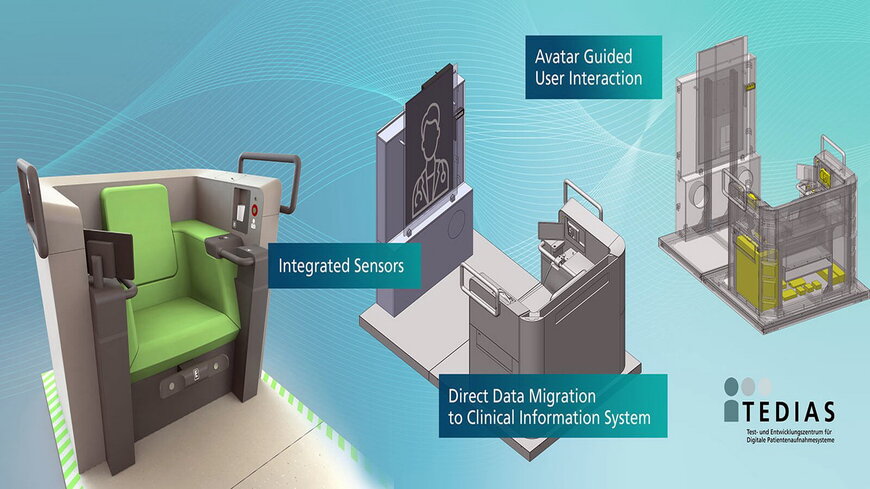
The GenderHeart project addresses the statistical disparity in cardiovascular outcomes between genders by utilizing an automated medical history recording station and specialized algorithms. This technology is designed for use in clinical aftercare and emergency departments to identify gender-specific risk factors, such as hormonal status and post-menopausal physiological changes, which are often underrepresented in standard clinical trials.
Automated Vital Sign Acquisition and Patient History
The system utilizes the TEDIAS digital recording station as its hardware foundation. This station automates the collection of clinical data through a chair integrated with medical-grade biosensors. During the diagnostic process, an avatar-guided interface conducts a standardized medical history interview while the hardware simultaneously records the patient’s electrocardiogram (ECG), blood pressure, and respiratory rate.
By shifting the collection of these primary parameters to a pre-consultation phase, the system optimizes the digital supply chain of patient data. This allows medical staff to bypass routine manual measurements and focus on diagnostic interpretation. The integrated approach ensures that physiological data is synchronized with the patient’s qualitative responses in real-time, creating a comprehensive digital record before the physician interaction begins.
AI-Based Risk Stratification and Speech Analysis
The core of the GenderHeart project is an AI-based algorithm designed to analyze the success of various therapies based on gender-specific variables. The software assesses how treatment goals differ between men and women, specifically accounting for individual hormone status and external risk factors that influence long-term prognosis.
To expand the diagnostic scope, researchers are integrating a speech analysis tool into the platform. This component utilizes the relationship between vocal characteristics and cardiovascular health. Patients use a dedicated application to record daily voice samples over a six-month period. The tool monitors these recordings for irregularities and changes that may indicate a decline in cardiac function. These longitudinal data points are then incorporated into the risk assessment during periodic checks at the recording station, enhancing the automotive data ecosystem of the patient's healthcare journey through continuous monitoring.
Clinical Implementation and Project Scope
Launched in spring 2026, the three-year project is a collaborative effort between the Fraunhofer Institute for Manufacturing Engineering and Automation IPA, Zana Technologies GmbH, and the University Medical Centre Mannheim. The objective is to validate the system’s ability to provide individual therapy recommendations and early detection of complications following a heart attack or stroke.
Engineers at Fraunhofer IPA have positioned the system to address the clinical workload in emergency rooms and specialized aftercare units. By standardizing the recording of gender-specific parameters — such as the cessation of protective hormone production after menopause — the system provides a quantifiable mechanism to correct the historical underrepresentation of women in cardiovascular datasets. This structured data collection is intended to reduce mortality risks by ensuring that the clinical history reflects the biological nuances of the patient.
Edited by Evgeny Churilov, Induportals Media - Adapted by AI.
www.fraunhofer.de

