
www.medical-devices.tech
01
'25
Written on Modified on
GE HealthCare’s Vivid iq ultrasound system launches to the International Space Station
The customized Vivid iq is being used aboard the space station to support routine medical evaluations as well as in-flight studies run by NASA's Human Research Program.
www.gehealthcare.com
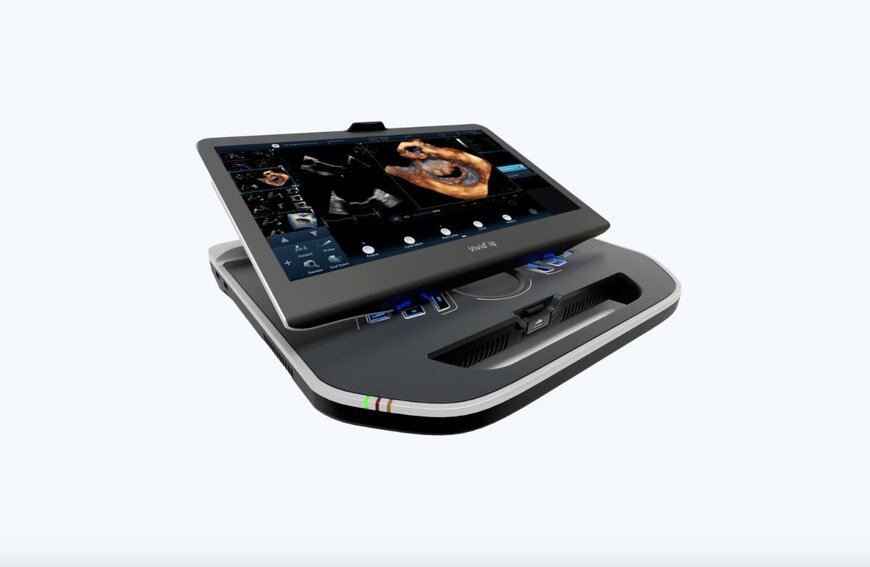
GE HealthCare's Vivid™ iq Ultrasound system was selected by NASA for delivery to the International Space Station aboard the Northrup Grumman commercial resupply services mission (NG CRS-23), and docked with the ISS on September 18, 2025.
The customized Vivid iq is being used aboard the space station to support routine medical evaluations as well as in-flight studies run by NASA's Human Research Program. Ultrasound research can improve astronauts’ health, including developing health measures and diagnostic protocols for spaceflight, and can improve scanning capabilities and protocols to help patients on Earth.
The Vivid iq serves as a replacement for the Vivid q system, which was first launched to the space station in 2011. Vivid iq was chosen for spaceflight following a rigorous regimen of hardware qualification and acceptance testing. The Vivid iq combines advanced imaging capabilities with superb flexibility. The laptop-sized ultrasound system is equipped with a wide range of imaging capabilities and advanced quantification tools for examining body systems including cardiovascular, abdominal, and musculoskeletal systems.
Building on the legacy of the Vivid family of Cardiovascular Ultrasound, the new system offers enhanced performance and portability. Its LOGIQ View feature allows users to view and measure anatomy that is larger than what fits in a single image. This feature, first introduced to space in the earlier model, remains a notable capability for in-orbit diagnostics.
The Vivid iq device is used for general crew health assessments and in space research investigations that evaluate venous blood flow and heart function during long-duration spaceflight.
The new system launched aboard a Northrup Grumman Cygnus XL spacecraft atop a SpaceX Falcon 9 Block 5 rocket from NASA’s Kennedy Space Center in Florida on September 14, 2025.
www.gehealthcare.com

