
Industrial instrumentation and digitalization in chemical processes
WIKA presents measurement and control solutions at Expoquimia 2026, held from 2 to 5 June at Fira Barcelona, for applications in the chemical, pharmaceutical and process industries.
www.wika.com
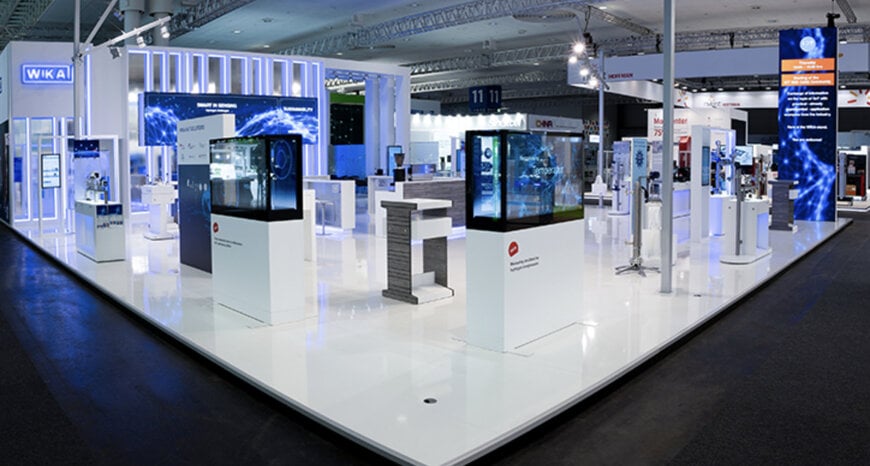
WIKA’s participation in Expoquimia 2026 focuses on the implementation of industrial instrumentation and digital infrastructure solutions for measuring, controlling and analysing critical variables in chemical and pharmaceutical processes.
WIKA acts as a provider of instrumentation and technical services, collaborating with industrial plant operators that require reliable measurement solutions in demanding environments. The interaction between manufacturer and end user addresses the need to improve process data accuracy, ensure operational safety and optimise efficiency in continuous systems.
The complexity of chemical processes, characterised by variable conditions of pressure, temperature and composition, requires adapted solutions integrating sensors, data acquisition systems and analytical platforms.
Technical solution and responsibilities
The portfolio includes flow, level and temperature measurement technologies, together with digitalisation solutions based on IIoT. These include non-invasive flow measurement using clamp-on ultrasonic technology, enabling installation without process interruption or contact with the fluid.
Radar-based level measurement for tanks operating under high temperature or pressure conditions is also included, as well as multipoint sensors designed to monitor thermal profiles in critical processes. These solutions enable continuous data acquisition with high resolution and stability.
WIKA is responsible for equipment design, supply and calibration, as well as the integration of digital solutions. Industrial operators implement the systems within their processes and use the resulting data for operational decision-making.
Deployment and integration
The solutions are designed for integration into existing infrastructures, including distributed control systems and monitoring platforms. The use of non-invasive sensors and equipment certified for hazardous areas allows deployment without significant plant modifications.
During the event, demonstrations are carried out using a scale reactor that reproduces real operating conditions, enabling validation of process temperature control and hot spot detection through integrated instrumentation.
Applications and use cases
Applications include flow monitoring in pipelines without process intervention, level measurement in tanks under demanding conditions and temperature control in chemical reactors. The instrumentation enables detection of thermal deviations, identification of anomalies in rotating equipment and improved process stability.
IIoT solutions support field data acquisition, transmission and advanced analysis using algorithms capable of identifying anomalous patterns, generating alerts and enabling predictive maintenance strategies.
Results and expected impact
The implementation of these technologies contributes to improved measurement reliability, reduced unplanned interventions and optimised asset management. The availability of accurate data and structured analysis supports technically grounded decision-making.
Calibration services, performed in laboratories or on site in accordance with ENAC accreditation, ensure metrological traceability and instrument accuracy, reinforcing process data consistency.
Edited by Maria Brueva, Induportals editor – adapted by AI.
www.wika.com

