
www.medical-devices.tech
25
'26
Written on Modified on
Browser-Based Platform for Ophthalmic Care Coordination
Carl Zeiss Meditec AG introduces a collaborative application built on its Health Data Platform to enable secure data exchange and structured referrals across ophthalmic workflows.
www.zeiss.com
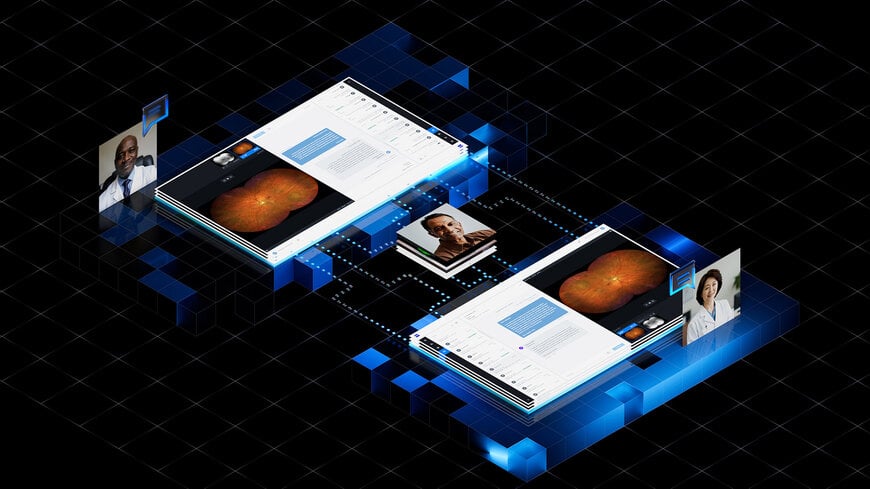
A new browser-based software application from Carl Zeiss Meditec AG is designed to address fragmented information flows in ophthalmology by enabling secure data sharing, structured referrals, and real-time coordination between eye care professionals. The system supports both cloud and on-premises environments and is positioned as an infrastructure layer within a broader digital healthcare ecosystem.
Addressing Data Fragmentation in Ophthalmology
Ophthalmic care often involves multiple providers, including optometrists, general ophthalmologists, and subspecialists. Diagnostic images, visual field data, OCT scans, and reports are frequently stored in local systems, limiting interoperability and slowing referral processes. This fragmentation can affect decision-making timelines and continuity of care.
The new Collaborative Care application is built on the ZEISS Health Data Platform (HDP), a cloud-based infrastructure that underpins the company’s digital solutions. By operating as an HDP-powered application, the system enables browser-based access to shared patient data while maintaining integration with existing on-premises installations.
Practices may deploy the application as a standalone cloud solution or connect it to ZEISS FORUM installations, allowing diagnostic images and reports to be securely transferred into collaborative workspaces. This architecture supports hybrid IT environments and aligns with evolving digital supply chain requirements in healthcare, where secure and traceable data exchange is essential.
How the Platform Enables Structured Collaboration
The application focuses on three operational functions: secure data exchange, structured referral management, and professional network coordination.
Secure exchange of clinical data
The system allows practitioners to share diagnostic images, reports, and patient data through encrypted browser-based access. This enables second opinions and peer consultations without transferring data via unsecured channels such as email attachments. Real-time messaging and automated notifications support case discussions and time-sensitive decision-making.
Referral workflow management
Referral processes are structured within the platform, allowing providers to send, track, and prioritize patient cases. Referring practitioners can transmit complete datasets, while receiving clinicians can download relevant information into their local systems for documentation and further analysis. This reduces administrative duplication and improves traceability across the ophthalmic workflow.
Professional network integration
The application supports collaboration between optometrists and ophthalmologists within a shared professional network. Because access is browser-based and independent of a single data management system, participants with varying digital infrastructures can collaborate within a unified digital healthcare ecosystem.
Deployment Flexibility and Security Framework
The system’s cloud foundation enables centralized management while supporting integration with on-premises diagnostic systems. This dual deployment model allows practices with existing infrastructure investments to participate without replacing core systems.
According to the company, the application adheres to industry-standard security requirements. While specific certifications were not detailed in the announcement, HDP-based solutions typically incorporate encrypted data transmission, authenticated user access, and controlled data permissions to meet healthcare data protection regulations.
Demonstration at Industry Events
The application is scheduled for public demonstration at 100% Optical 2026 in London from February 28 to March 2, followed by Vision Expo in Orlando, Florida, from March 11 to 14. These events target optometry and ophthalmology professionals evaluating digital workflow solutions.
Position Within the Ophthalmic Digital Infrastructure
By integrating diagnostic imaging systems with cloud-based collaboration tools, the application extends the role of ophthalmic data platforms beyond storage and visualization. Its relevance lies in enabling structured, traceable interactions between independent providers, supporting coordinated patient pathways from primary examination to specialist intervention.
As ophthalmology continues to adopt interoperable digital systems, platforms that combine secure cloud architecture with local system integration are becoming central components of the clinical digital healthcare ecosystem.
www.zeiss.com

