
www.medical-devices.tech
29
'26
Written on Modified on
Pharmaceutical Intralogistics and Central Dispensing Automation
KNAPP will showcase its automated transport, storage, and dosage hardware designed to streamline the digital supply chain for healthcare environments.
www.knapp.com
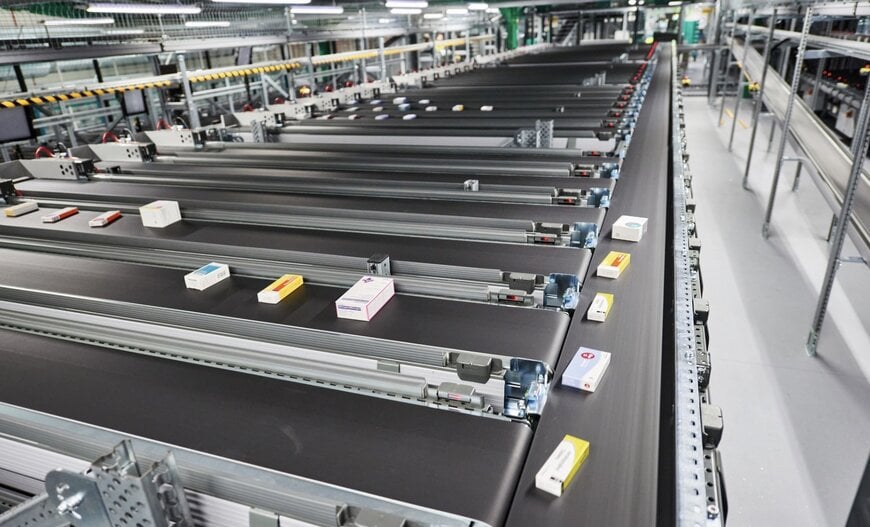
KNAPP's Pack2Patient system
KNAPP will present its comprehensive suite of pharmaceutical intralogistics and pharmacy automation systems at The Pharmacy Show 2026, scheduled for October 11-12 at the NEC in Birmingham. The technologies address the entire healthcare value chain, providing automated picking, central dispensing, and compliance pack production for distribution centers and retail pharmacies.
Central Dispensing and Image Recognition Verification
The Pack2Patient system facilitates central dispensing automation by processing individual items with end-to-end traceability. Utilizing proprietary KiSoft Vision image-recognition technology, the system captures comprehensive data for lot and serial number tracking. This optical verification mechanism ensures strict compliance with regulatory frameworks, including the Falsified Medicines Directive, allowing centralized hubs to manage digital supply chain requirements efficiently and accurately without relying on manual barcode scanning.
Automated Dosage and Blister Card Production
For monitored dosage requirements, the D3 Daily Dose Dispenser automates the production of patient-specific compliance packs. The system mechanically transfers tablets directly from their original packaging into personalized medication blister cards containing customized instructions. Operating with a single manual intervention step, the unit maintains tablets in their original packaging until high-speed dispensing occurs. The hardware features a storage buffer capable of holding over 5,000 different medication types. When operated by two personnel, the system achieves an output of 120 weekly blister cards per hour. This continuous tracking of lot numbers and expiration dates guarantees objective traceability for every dispensed unit.
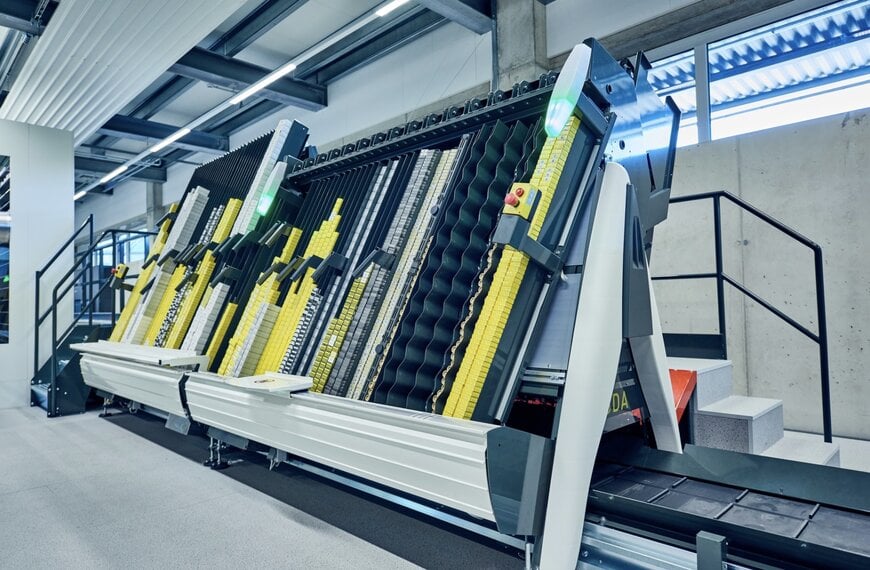
KNAPP's Central Belt System
High-Volume Picking and Retail Dispensing Architectures
High-throughput pharmaceutical environments utilize the Central Belt System, an A-frame automated picking architecture designed for fast-moving products. This modular configuration balances peak workloads and integrates directly with central dispensing setups to optimize order fulfillment.
At the retail level, the R3000x in-store dispensing robot automates medication storage and retrieval. The unit employs sophisticated optical scanners to read expiry dates and lot numbers concurrently during the automated storage procedure. This provides precise, real-time inventory management and dynamic stock allocation while reducing repetitive manual handling tasks for pharmacy personnel.
Additional Context
This section details technical specifications and competitive benchmarking not included in the original news release.
Within the pharmacy automation sector, automated dispensing cabinets and robotic storage systems are heavily utilized to manage high-volume pharmaceutical inventory. Systems such as the BD Rowa Vmax or Omnicell robotic dispensers operate on similar principles of automated storage and retrieval utilizing robotic arms and optical recognition. While standard A-frame systems from various intralogistics providers handle fast-moving goods via gravity-fed channels, the integration of multi-modal vision systems—such as the KiSoft Vision—provides a measurable advantage in verifying localized serial numbers against regulatory databases without secondary manual processing.
Furthermore, the D3 Daily Dose Dispenser's capacity to store over 5,000 medication types while leaving pills in their original blister packs until the final dispensing stage contrasts with traditional pouch packaging machines (such as those from Parata or TCGRx). Traditional models often require manual de-blistering into bulk canisters before automated sorting can occur, which introduces additional labor steps and increases the risk of cross-contamination compared to KNAPP's direct-transfer approach.
Edited by Aishwarya Mambet, Induportals Editor, with AI assistance.
www.knapp.com
KNAPP will present its comprehensive suite of pharmaceutical intralogistics and pharmacy automation systems at The Pharmacy Show 2026, scheduled for October 11-12 at the NEC in Birmingham. The technologies address the entire healthcare value chain, providing automated picking, central dispensing, and compliance pack production for distribution centers and retail pharmacies.
Central Dispensing and Image Recognition Verification
The Pack2Patient system facilitates central dispensing automation by processing individual items with end-to-end traceability. Utilizing proprietary KiSoft Vision image-recognition technology, the system captures comprehensive data for lot and serial number tracking. This optical verification mechanism ensures strict compliance with regulatory frameworks, including the Falsified Medicines Directive, allowing centralized hubs to manage digital supply chain requirements efficiently and accurately without relying on manual barcode scanning.
Automated Dosage and Blister Card Production
For monitored dosage requirements, the D3 Daily Dose Dispenser automates the production of patient-specific compliance packs. The system mechanically transfers tablets directly from their original packaging into personalized medication blister cards containing customized instructions. Operating with a single manual intervention step, the unit maintains tablets in their original packaging until high-speed dispensing occurs. The hardware features a storage buffer capable of holding over 5,000 different medication types. When operated by two personnel, the system achieves an output of 120 weekly blister cards per hour. This continuous tracking of lot numbers and expiration dates guarantees objective traceability for every dispensed unit.
KNAPP's Central Belt System
High-Volume Picking and Retail Dispensing Architectures
High-throughput pharmaceutical environments utilize the Central Belt System, an A-frame automated picking architecture designed for fast-moving products. This modular configuration balances peak workloads and integrates directly with central dispensing setups to optimize order fulfillment.
At the retail level, the R3000x in-store dispensing robot automates medication storage and retrieval. The unit employs sophisticated optical scanners to read expiry dates and lot numbers concurrently during the automated storage procedure. This provides precise, real-time inventory management and dynamic stock allocation while reducing repetitive manual handling tasks for pharmacy personnel.
Additional Context
This section details technical specifications and competitive benchmarking not included in the original news release.
Within the pharmacy automation sector, automated dispensing cabinets and robotic storage systems are heavily utilized to manage high-volume pharmaceutical inventory. Systems such as the BD Rowa Vmax or Omnicell robotic dispensers operate on similar principles of automated storage and retrieval utilizing robotic arms and optical recognition. While standard A-frame systems from various intralogistics providers handle fast-moving goods via gravity-fed channels, the integration of multi-modal vision systems—such as the KiSoft Vision—provides a measurable advantage in verifying localized serial numbers against regulatory databases without secondary manual processing.
Furthermore, the D3 Daily Dose Dispenser's capacity to store over 5,000 medication types while leaving pills in their original blister packs until the final dispensing stage contrasts with traditional pouch packaging machines (such as those from Parata or TCGRx). Traditional models often require manual de-blistering into bulk canisters before automated sorting can occur, which introduces additional labor steps and increases the risk of cross-contamination compared to KNAPP's direct-transfer approach.
Edited by Aishwarya Mambet, Induportals Editor, with AI assistance.
www.knapp.com

