
ATILA Project Advances Meltio Technology for Titanium Biomedical Implants
ATILA consortium validates Meltio's DED-LB/M technology for Ti6Al4V grade 23 hip and knee bioimplants, with Aidimme conducting regulatory compliance testing in Valencia.
www.meltio3d.com
The ATILA research project is progressing, and researchers, gathered in a scientific consortium, have announced another important technological breakthrough, taking stock of the research carried out during much of 2025 with the aim of achieving the main objective of manufacturing biomedical implants that comply with regulations. The metal 3D printing technology, developed by the Spanish multinational Meltio based in Linares (Jaén), is suitable for the creation of hip and knee bioimplants, among other parts that will be reviewed in this press release.
Here is the ATILA Research Project website for more detailed information on this scientific project in Spain:
The Valencian research center Aidimme, based in Valencia, has installed a prototype 3D printing technology to create, for the first time in Spain, biomedical implants made of titanium alloys using the unique metal 3D printing technology developed by the Spanish multinational Meltio.
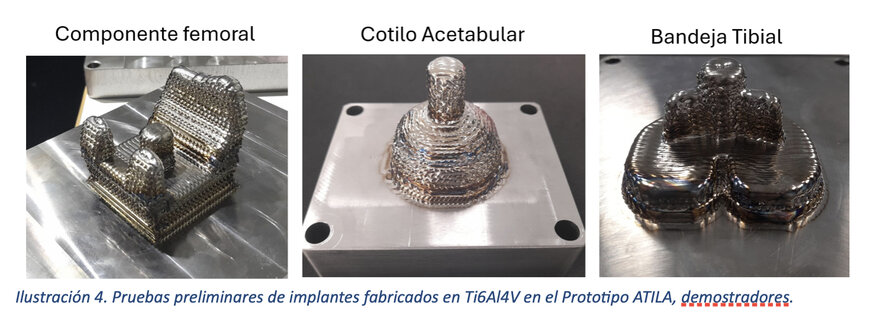
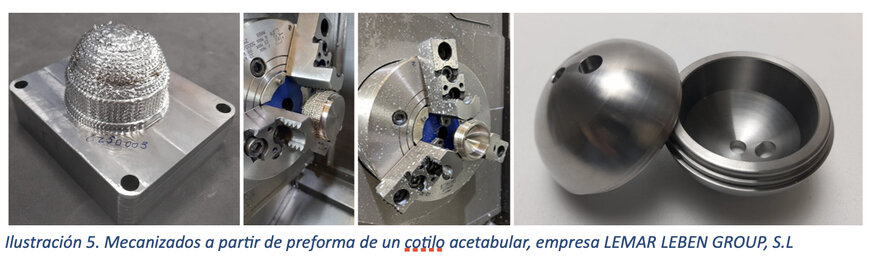
During these months, they have focused on three very important potential cases, namely: the acetabular cup (hip implant), the tibial tray (knee implant used to replace the upper surface of the tibia), and the femoral component (knee implant used to replace the lower distal part of the femur). In vitro and in vivo trials are currently being conducted to further advance research and possible future implementation.
These are the advances verified by the scientific team and obtained in the ATILA Research Project throughout this year:
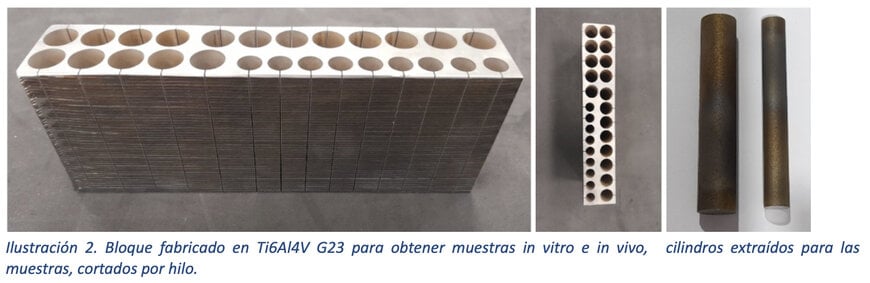
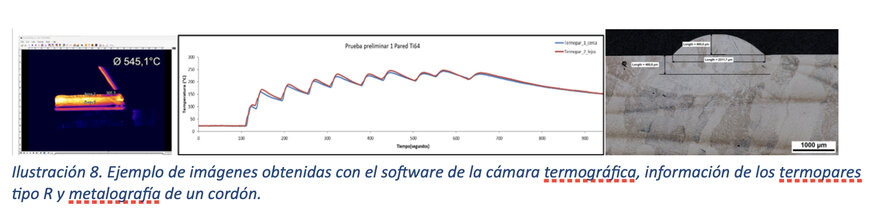
Microstructural and mechanical characterization of the Ti6Al4V grade 23 alloy processed using MELTIO's DED-LB/M technology in the project prototype. Samples were extracted from a solid block for mechanical and microstructural characterization.
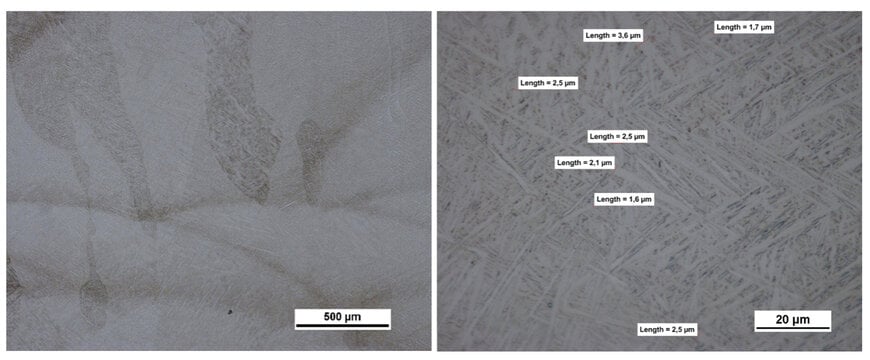
The microstructure found is martensitic, the result of rapid cooling from temperatures above β-transus. In the “as built” condition, the microstructure is composed of the α' phase (acicular martensite) embedded in the β phase. Grain growth columns and deposition layers can be observed at 50X and 1000X magnification, with the acicular grains visible in detail.
It has been very important for the project to verify that the process parameters used do not produce the alpha case phase on the surface of the samples, which is a weakening phase that reduces fatigue resistance and is also not permitted by standard for biomedical implant applications.
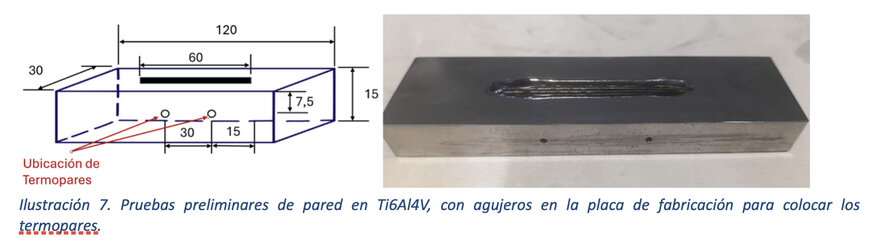
In terms of mechanical characterization, test specimens were wire-cut, machined, and tested using tensile tests in accordance with ASTM E8/E8M, showing that the Ti6Al4V grade 23 alloy processed in the project meets the requirements for maximum strength, modulus of elasticity, and % elongation required by implant manufacturing standards, including: ASTM F3001-14, ASTM F136-2021, and UNE EN ISO 5832-3:2022. In addition, it has been determined that no further heat treatment is required.
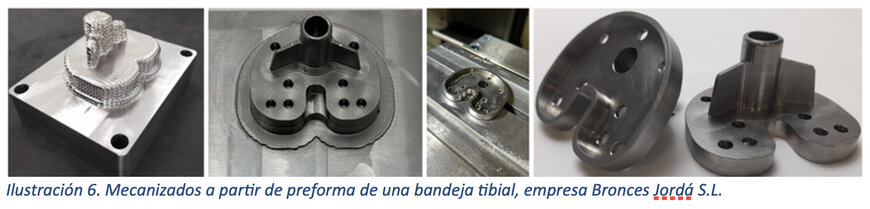
The biocompatibility studies for the ATILA Project are being carried out by the FIGHUV Research Foundation, specifically BTELab; To this end, they have asked AIDIMME to manufacture samples for both in vitro and in vivo testing, which have been obtained in Ti6Al4V grade 23, in the ATILA prototype, by wire cutting and machining from a solid block.
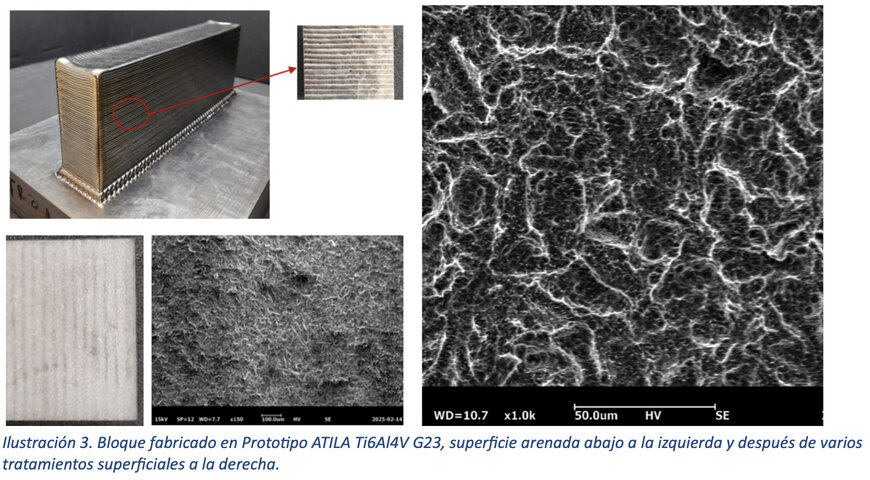
Ti6Al4V ELI titanium is used in implants due to its good compatibility with bone, but its success depends on achieving adequate osseointegration, which is influenced by the design, material, and surface of the implant. Surfaces have evolved from being machined and inert to incorporating treatments such as sandblasting, acid etching, ceramic coatings, anodizing, and nanotubes, in order to improve bioactivity, promote cellular response, and increase implant durability.
"Machined titanium surfaces do not promote osseointegration and can cause the implant to loosen. Therefore, they must be modified to improve their geometry, roughness, and chemical properties in order to accelerate osseointegration through better protein adsorption and cell growth. The composition, roughness, and hydrophobicity of the surface are essential factors in this process," says Jenny Zambrano, spokesperson for the ATILA Research Project and researcher at AIDIMME in Valencia.
www.meltio3d.com

